
Professional chain-of-custody support for specimen collection, transfer, and documentation.
Xorevion Diagnostics provides chain-of-custody support for drug testing, DOT collection support, DNA specimen collection, employer testing programs, mobile collection services, and medical courier coordination.
Specimen handling is only as strong as the documentation behind it.
Chain of custody is the documented record of how a specimen is collected, identified, sealed, transferred, received, and handled. It helps protect specimen integrity, supports proper documentation, and creates a clearer handling history from collection to delivery.
A clear record of collection, handling, transfer, and receipt.
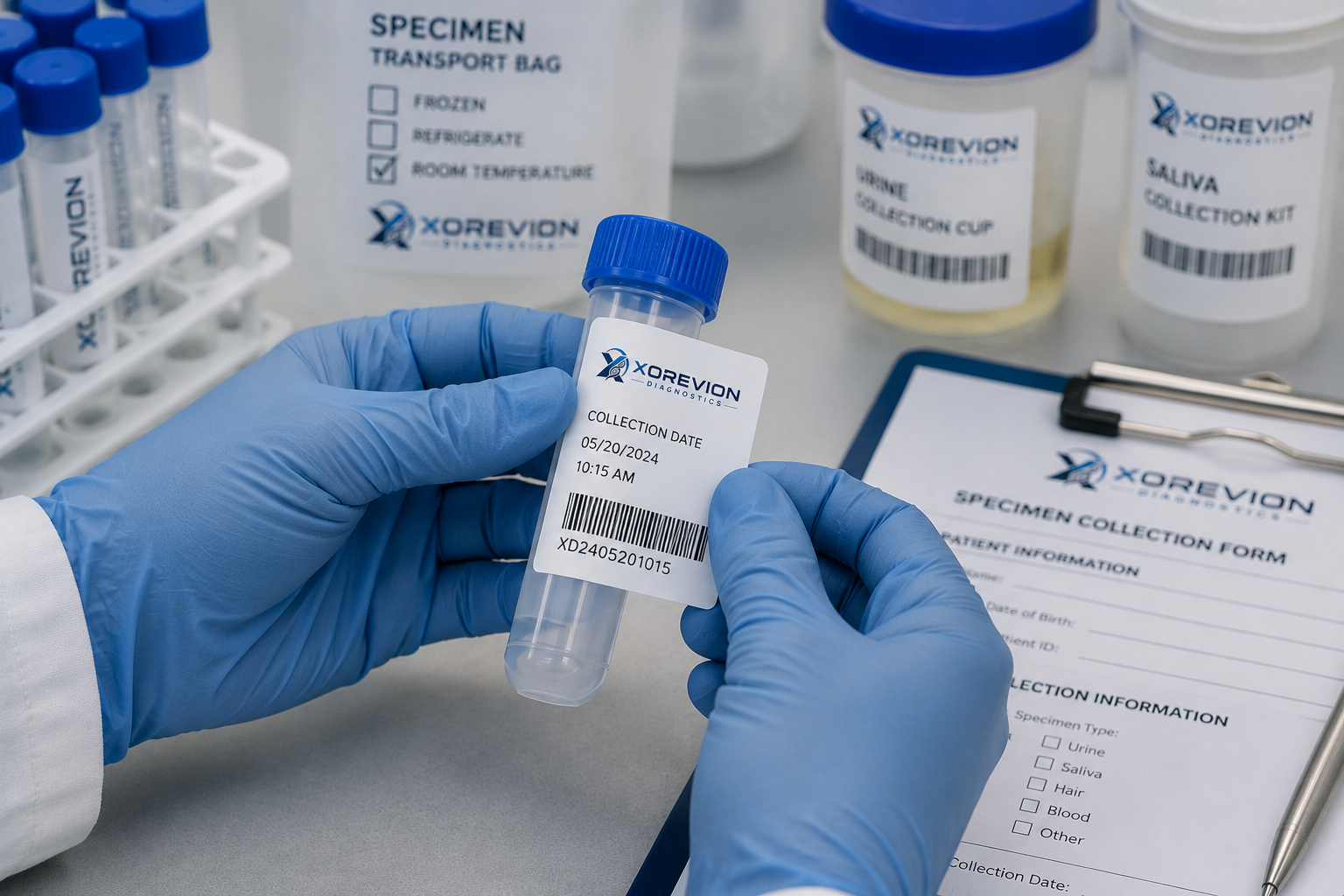
Specimen Identification
Chain-of-custody support begins with accurate donor, participant, or specimen identification when required by the testing process.
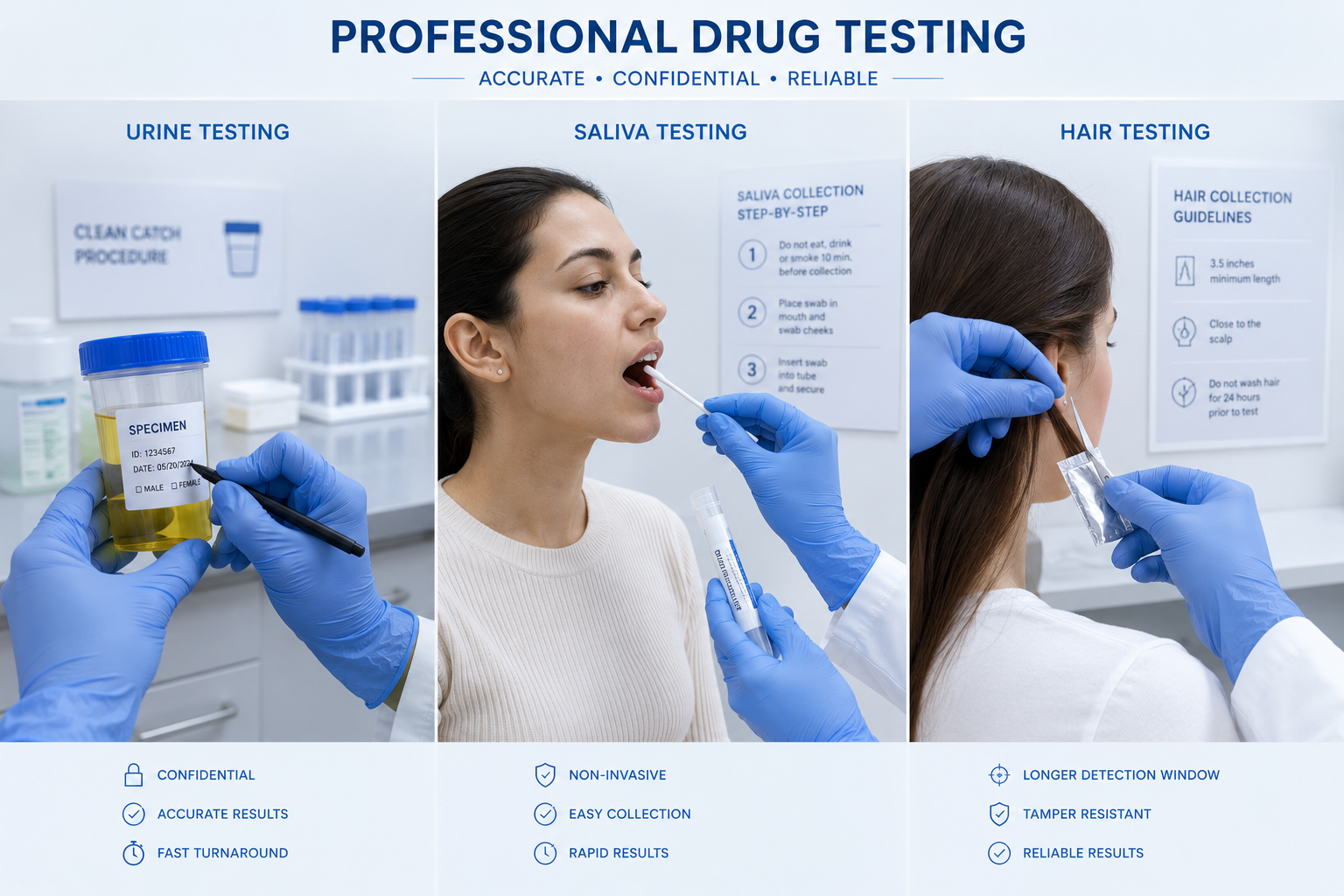
Collection Documentation
Forms, labels, signatures, dates, collection details, and required instructions help create a clear record of the collection event.
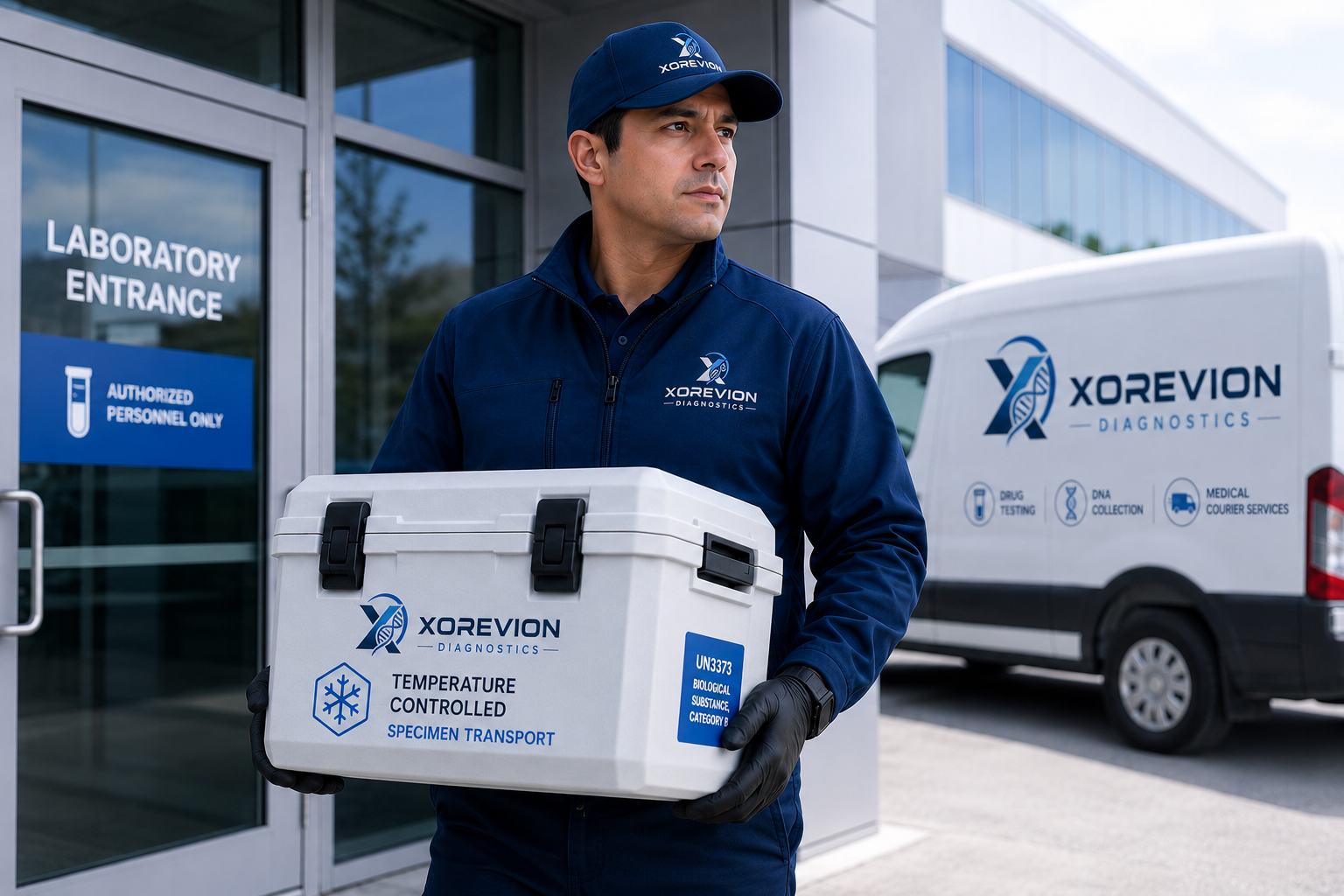
Secure Transfer
After collection, specimens or documents may require secure packaging, transfer documentation, and courier coordination.
Chain of custody helps protect the credibility of the collection process.
In drug testing, DOT collection support, DNA collection, employer testing, and legal-sensitive situations, the way a specimen is collected and handled can matter as much as the specimen itself. If documentation is incomplete, if labeling is unclear, or if transfer details are missing, the process can become confusing and difficult to verify.
Xorevion’s chain-of-custody support is designed to help create an organized record of the collection process. This may include confirming paperwork, checking identification when required, collecting the specimen, sealing and labeling the specimen, documenting transfer details, and coordinating courier delivery when applicable.
- Donor or participant identification support when required
- Collection paperwork review and documentation support
- Specimen labeling and seal verification
- Transfer documentation awareness
- Courier coordination when applicable
- Professional handling from collection to destination
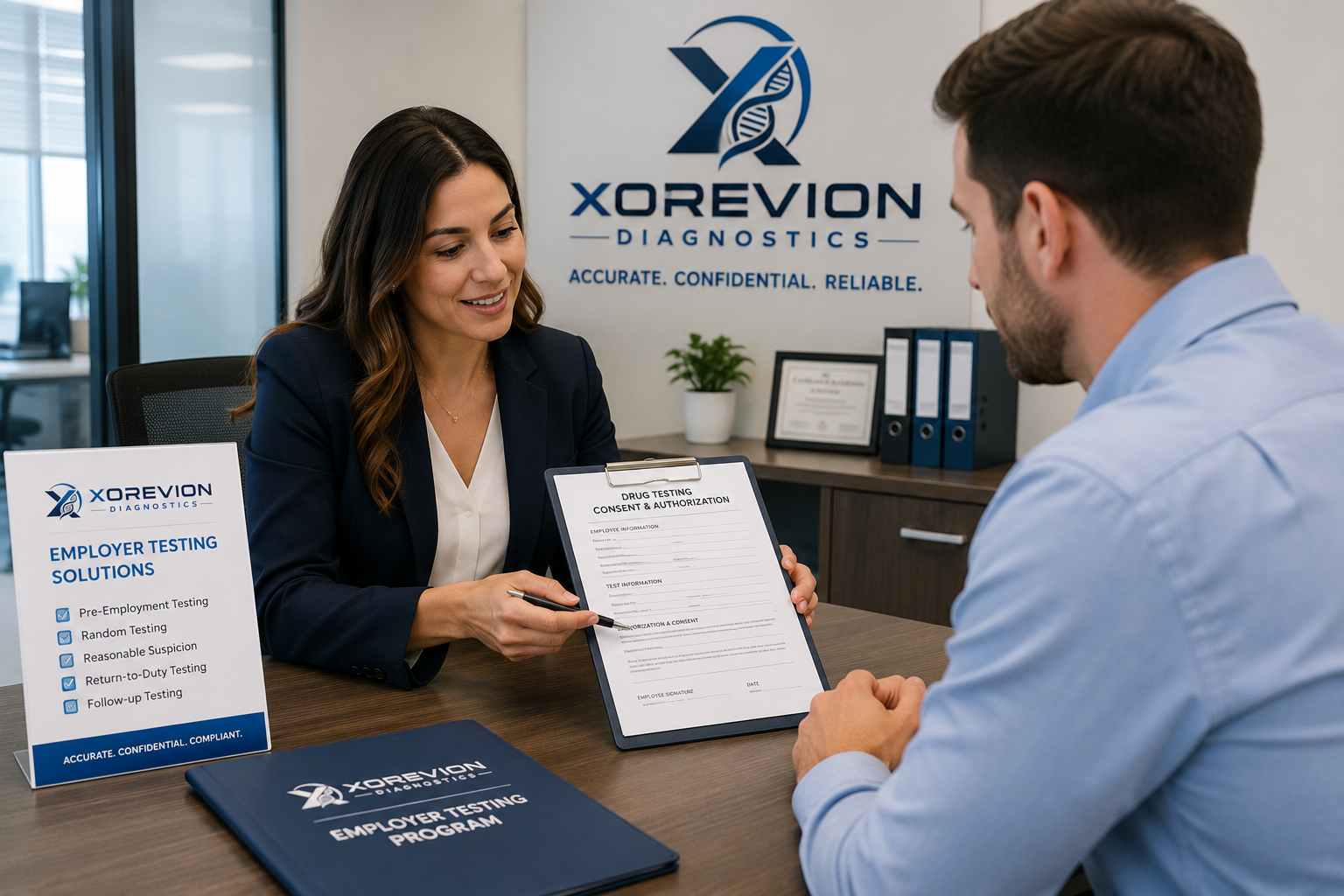
Employers rely on chain of custody to keep testing organized.
Employer testing programs often require clear documentation. Whether a company is coordinating pre-employment drug testing, random testing, reasonable suspicion collection, post-incident testing, return-to-duty collection, or DOT collection support, the employer needs confidence that the collection was handled properly.
Chain of custody helps employers maintain a more organized testing process by creating a documented pathway between the donor, collector, specimen, paperwork, courier, and receiving destination.
- Pre-employment testing documentation
- Random testing collection support
- Post-incident collection documentation
- Reasonable suspicion collection support
- Return-to-duty and follow-up documentation
- Employer-authorized transfer coordination
The chain-of-custody process from collection to transfer.
Verify
Identification, paperwork, authorization, collection type, and instructions are reviewed before collection begins.
Collect
The specimen is collected according to the collection type and documentation requirements provided.
Seal
The specimen is labeled, sealed, packaged, and prepared according to the applicable handling instructions.
Transfer
The specimen or paperwork is transferred, couriered, or submitted to the appropriate destination when applicable.
Documentation support for testing, collection, courier, and employer needs.
Chain of custody can support many services when documentation, privacy, and specimen integrity are important.
Drug Testing
Supports workplace, personal, random, post-incident, return-to-duty, and employer testing collection needs.
DOT Testing
Supports DOT collection documentation when proper authorization, forms, and procedures are in place.
DNA Collection
Supports identity verification, legal-sensitive collection, and documented DNA specimen handling when required.
Mobile Collection
Supports collection documentation when specimens are collected at homes, workplaces, job sites, or facilities.
Medical Courier
Supports documented transfer from collection location to approved receiving destination when applicable.
Employer Programs
Supports organized workplace testing and clear handling records for employer-requested collections.
DOT collections require strict attention to forms and procedures.
DOT-regulated testing is different from ordinary workplace testing. DOT collections may require specific forms, timing, donor verification, collection instructions, and documentation procedures. Xorevion can support DOT collection handling when the proper authorization, forms, and requirements are provided.
Xorevion does not act as a laboratory, Medical Review Officer, consortium/third-party administrator, or legal compliance advisor. Our role is to support the collection and documentation process, specimen handling, and transfer coordination when applicable.
- DOT drug testing collection documentation support
- Federal Custody and Control Form awareness
- Employer or C/TPA instruction review
- Specimen labeling and transfer support
- Courier coordination when applicable
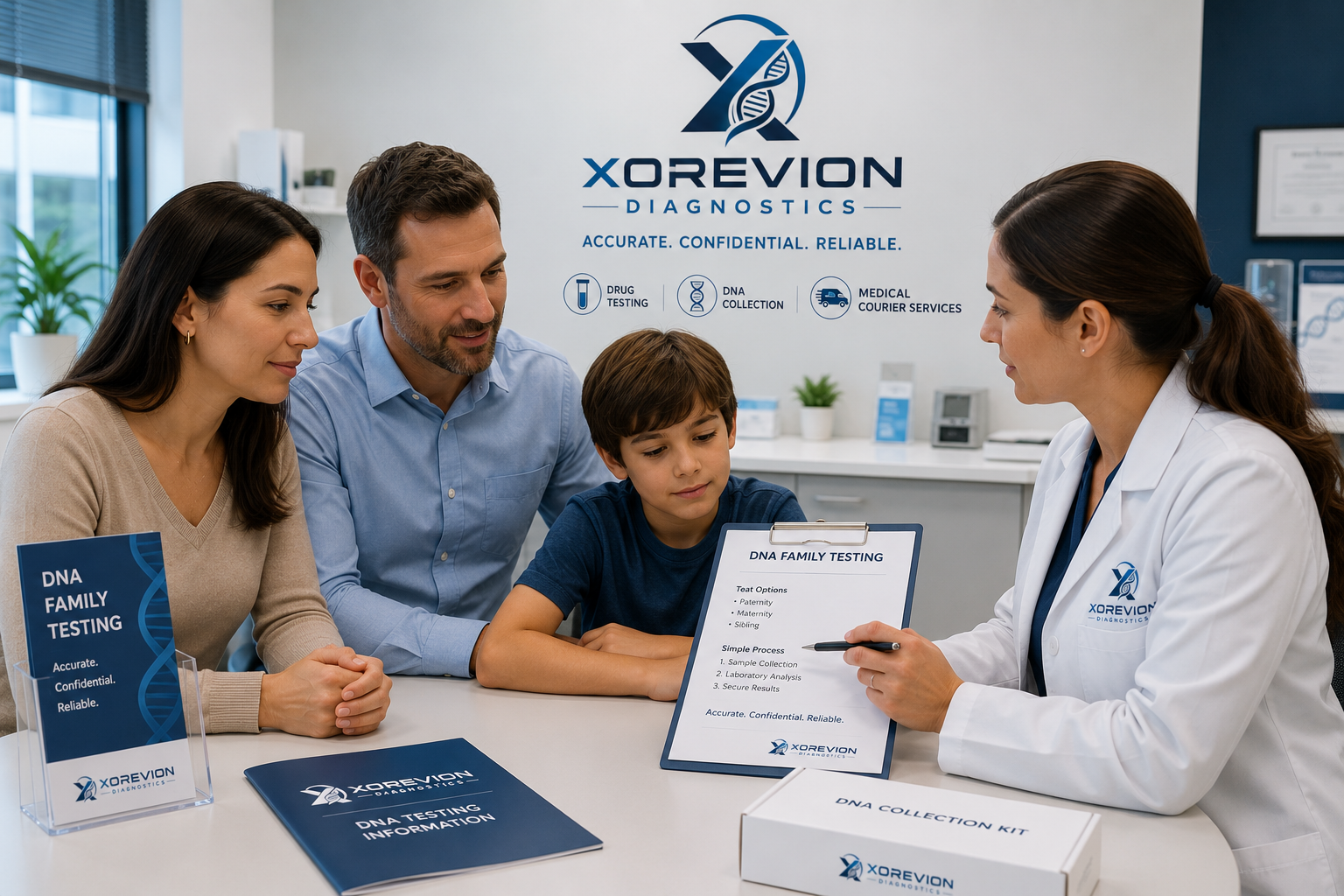
DNA collections may require documented identity and handling.
Some DNA collections are for personal knowledge only, while others may require legal chain-of-custody documentation. Legal-sensitive DNA collection may involve identification, photographs, signatures, witness information, documented collection steps, and secure packaging depending on the testing provider or requesting party.
Legal acceptance depends on the outside laboratory, court, agency, attorney, institution, or requesting party. Xorevion supports professional DNA specimen collection and documentation handling based on the instructions provided.
- Identity verification support when required
- DNA specimen collection documentation
- Legal-sensitive collection handling
- Secure packaging and transfer coordination
- Support for families, individuals, and professionals
What may be included in a chain-of-custody record.
Requirements vary by testing provider, employer, agency, court, DOT program, or laboratory pathway. These are examples of common documentation elements.
Donor or Participant Information
Name, date of birth, ID verification, employer information, case information, or other identifying details may be required.
Collection Details
Date, time, collection type, collector information, specimen type, collection location, and required signatures may be included.
Specimen Labeling
Labels, barcodes, seals, specimen ID numbers, collection containers, and packaging details help connect the specimen to the documentation.
Transfer Information
Courier pickup, delivery destination, receiving party, shipping method, transfer time, and chain-of-custody signatures may be documented.
Testing Instructions
Employer authorization, DOT forms, laboratory requisitions, legal documents, or provider instructions may guide the collection process.
Receiving Destination
Specimens may be transferred to an outside laboratory, testing partner, employer-approved destination, or authorized receiving party.
Chain of custody supports Xorevion’s core collection and courier services.
Drug Testing Services
Professional collection support for workplace, personal, mobile, and employer drug testing needs.
Drug Testing
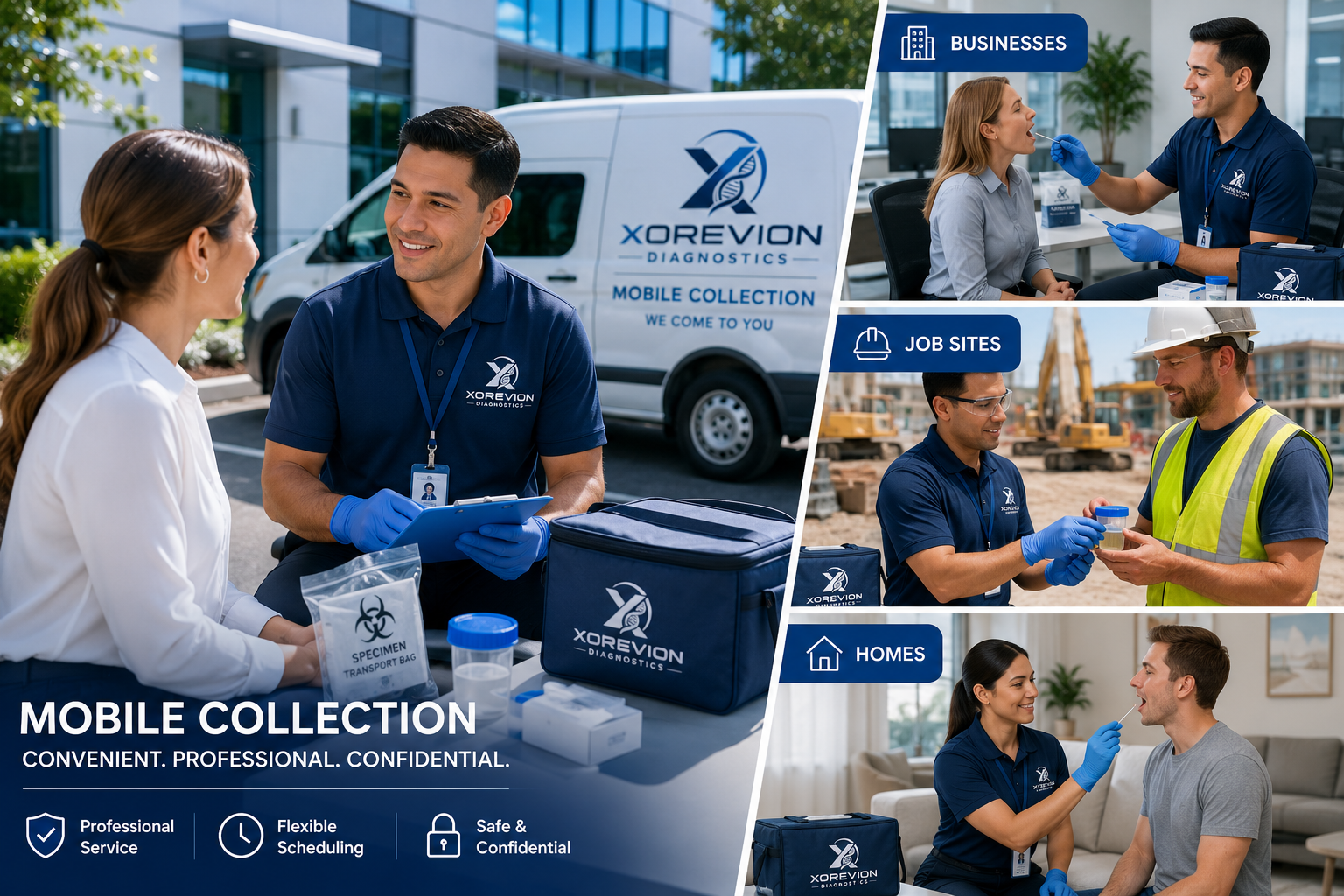
Mobile Collection
Collection support brought to workplaces, homes, job sites, facilities, and organizations.
Mobile Collection
Medical Courier
Courier support for specimens, documents, collection kits, and chain-of-custody transfer needs.
Courier Services
Chain of custody FAQs.
What does chain of custody mean?
Chain of custody is the documented record of how a specimen or sensitive material is collected, identified, sealed, transferred, received, and handled.
Why is chain of custody important?
It helps protect specimen integrity, creates a handling record, supports proper documentation, and reduces confusion about how the specimen moved from collection to destination.
Does every collection require chain of custody?
Not every collection requires the same level of documentation. Requirements depend on the testing type, employer, DOT program, laboratory, court, agency, or requesting party.
Does Xorevion provide chain-of-custody forms?
Xorevion can support required documentation when forms or instructions are provided. Specific forms may come from the employer, DOT program, laboratory, testing provider, or requesting party.
Is Xorevion Diagnostics a laboratory?
No. Xorevion Diagnostics is not currently a laboratory. We provide collection, chain-of-custody support, mobile collection coordination, and courier-related services.
Can chain of custody be used for DNA collection?
Yes, some DNA collections require legal-sensitive chain-of-custody documentation, identity verification, and secure handling depending on the testing provider or requesting party.
Can chain of custody be used for employer drug testing?
Yes. Employer drug testing often uses chain-of-custody procedures to document collection, specimen handling, and transfer.
Does Xorevion handle DOT chain of custody?
Xorevion can support DOT collection documentation when proper authorization, forms, and procedures are in place. Xorevion does not act as a laboratory, MRO, or C/TPA.
Can courier service be part of chain of custody?
Yes. Courier pickup and delivery may be part of the transfer record when specimens or documents are moved from one location to another.
How do I schedule chain-of-custody collection support?
Use the booking page or contact Xorevion with the collection type, required forms, destination, timing, and any instructions from the employer, laboratory, attorney, agency, or requesting party.